

How Music, Celebrity Culture, and Social Media Keep Niche Fashion Trends Visible

fashion accessories for teeth

Hip-hop fashion has moved from localized cultural scenes into global popular culture. The Smithsonian National Museum of African American History and Culture describes fashion as a central part of hip-hop identity and documents the genre’s wider cultural influence through music, photography, and material culture.

That shift helps explain why unusual style choices can become familiar before they become ordinary. A good example is accessories for your teeth, closely associated with grillz and decorative dental jewelry. Rhino Grillz traces modern grillz through hip-hop performers of the 1980s and later appearances by athletes and celebrities outside the genre.

Why Do Celebrities Make Unusual Fashion Easier to Recognize?

Musicians and celebrities attract attention because their styling is repeatedly photographed and discussed. When an unusual object appears in a music video, red-carpet image, magazine feature, or social post, audiences gain repeated visual exposure to it.

Vogue has documented how celebrities became increasingly central to fashion during the 1990s and 2000s, as entertainment, magazines, blogs, paparazzi photography, and the internet became more closely connected. It also notes that digital access allowed wider audiences to see fashion events and celebrity styling quickly.

This does not mean every celebrity-worn item becomes a mass-market trend. Recognition can grow much faster than adoption.

Does Visibility Really Mean a Trend Has Gone Mainstream?

The counterargument is simple: being recognizable is different from being widely adopted. Many fashion choices stay closely tied to specific communities even after receiving international coverage.

Research published in the Journal of Fashion Marketing and Management examined how social media fashion influencers spread fashion information. The study found that influencers can act as fashion opinion leaders and help followers make decisions. Digital platforms can spread style information effectively, but that does not mean every shared trend will be worn widely.

Hip-hop shows this distinction clearly. The Smithsonian National Museum of African American History and Culture emphasizes that fashion has long been part of hip-hop’s identity. Wider exposure may expand an audience while the original cultural meaning still matters.

What Do Grillz Reveal About the Visibility Cycle?

Grillz show how a niche accessory can repeatedly return to the wider fashion conversation. Rhino Grillz connects their modern popularity with hip-hop performers and later visibility in entertainment and sport. Its historical material points to Olympic swimmer Ryan Lochte’s diamond grill during the 2012 Summer Olympics as one example outside music culture.

Celebrity coverage has reinforced that visibility. Vogue reported on Justin Bieber wearing pink sapphire grillz in 2017 and described the look as combining a current color trend with a throwback hip-hop reference. In 2019, the magazine covered Kristen Noel Crawley’s custom grillz and noted that the look drew attention on Instagram.

These moments create new entry points. Someone who does not follow hip-hop closely may first encounter dental jewelry through a celebrity photograph, fashion feature, or social feed.

Why Do Music Videos, Photos, and Social Posts Keep Niche Styles Alive?

Visual media gives fashion a long memory. A music video can keep circulating. A celebrity photograph can be reposted years later. Older looks can return through retrospectives, fan accounts, or archives.

The Smithsonian National Museum of African American History and Culture has highlighted photography as an important record of hip-hop’s expansion into a broader cultural phenomenon. Repeated images can keep a style recognizable even when relatively few people are wearing it.

Social platforms add another layer by placing old and new images in the same stream. This pattern can also be seen in cultural fashion online, where social media, influencers, and digital shopping platforms can introduce styles rooted in specific traditions to wider audiences. A grill worn decades ago can appear beside a new version from a contemporary jeweler or stylist. The result is continuing visibility rather than a simple rise-and-fall cycle.

Where Does Celebrity Influence Fall Short?

Celebrity attention has limits. A meta-analysis published in the Journal of the Academy of Marketing Science reviewed 46 studies involving more than 10,000 participants. It found that celebrity endorsements can influence consumer responses, but effects vary with factors such as the fit between the celebrity and the object.

People may admire a look without wanting to copy it. Price, comfort, workplace expectations, cultural meaning, access, and personal taste all affect whether a visible style becomes part of everyday dress.

Visibility Can Open the Door, but Culture Decides What Stays

Music, celebrity culture, and social media can move unusual fashion from obscurity to recognition quickly. They give niche accessories repeated exposure and introduce them to audiences outside their original communities.

Still, exposure alone does not make a style mainstream. Grillz illustrate that balance well. Their connection to hip-hop remains important even as musicians, athletes, fashion figures, and social media users bring them into wider view.

The most useful way to understand niche fashion is to separate awareness from adoption. Media can make a look familiar. Whether people wear it depends on taste, cultural context, accessibility, cost, and changing fashion norms. Some niche styles may move closer to the mainstream, while others remain distinctive precisely because they never fully do.
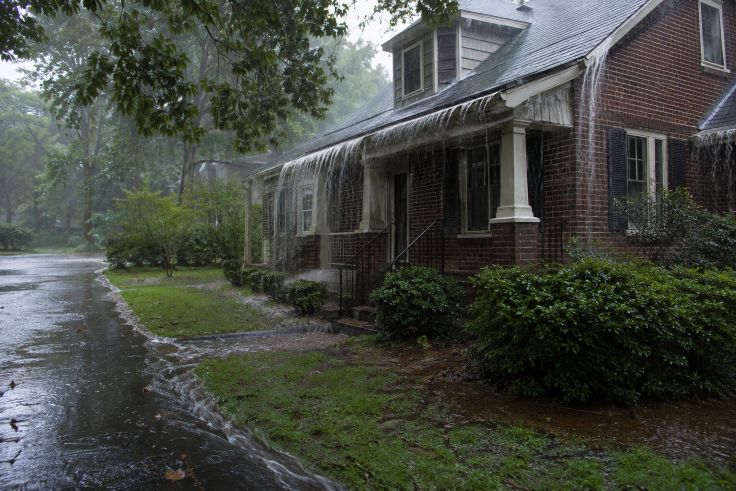
Aging Homes and Heavier Storms Are Straining Atlanta’s Water Cleanup Capacity

aging homes in atlanta

Heavy rainfall is putting growing pressure on homes and drainage systems across the Southeast. The U.S. Environmental Protection Agency reports that the amount of precipitation falling during heavy rainstorms in the Southeast increased by about 27 percent between 1958 and the mid-2010s, with increasingly intense rainfall expected to remain an important flooding concern. For Atlanta homeowners, those conditions can become more complicated when stormwater meets older roofs, foundations, drains, and plumbing systems.

Once water reaches a basement, crawl space, or finished living area, the problem shifts quickly from prevention to removal and drying. Professional water extraction services may become part of the response when the volume of standing water exceeds what household equipment can reasonably handle. Timing matters because the U.S. Environmental Protection Agency recommends drying water-damaged materials within 24 to 48 hours whenever possible to limit the conditions that support mold growth.

Why Atlanta Homes Can Be Vulnerable

Atlanta’s risk is not tied to one single factor. Housing age, rainfall intensity, drainage capacity, lot conditions, and maintenance can combine differently from one property to another. Data collected through the U.S. Census Bureau’s American Community Survey specifically tracks the year structures were built because housing age helps communities understand maintenance needs, housing conditions, and disaster-planning concerns.

An older house is not automatically a water-damage risk. Well-maintained properties can perform effectively for decades. However, aging buildings may contain components that have already experienced years of wear, repairs, renovations, and changing drainage conditions. A small weakness that causes few problems during ordinary rain can become more noticeable during an unusually intense storm.

Recent weather illustrates why that distinction matters. A June 2026 report from the National Weather Service Atlanta/Peachtree City noted that parts of north and central Georgia received roughly 4 to 9 inches of rain during a 30-day period, with some locations reaching about 250 percent of normal precipitation. The agency reported that repeated rainfall events contributed to flash flooding in some areas.

5 Factors That Can Affect Water Cleanup Response

1. The Amount of Water

A shallow leak around a water heater is very different from several inches of standing water across a basement. Greater volumes usually require more pumping capacity, additional drying equipment, and closer inspection of flooring, walls, and other porous materials. The source also matters because storm or flood water may contain contaminants.

2. How Many Properties Are Affected

A single plumbing failure creates a localized demand for cleanup. A major storm can affect many properties during the same period. That concentration of incidents can place simultaneous demand on contractors, equipment, transportation, insurers, and property managers. The National Weather Service has documented slow-moving thunderstorms capable of producing heavy rainfall and flash flooding along corridors extending through Atlanta, demonstrating how one weather system can create problems across a broad area.

3. Accessibility Inside the Home

Standing water in an open garage may be relatively straightforward to reach. Water beneath flooring, inside a crawl space, or behind finished basement walls can require more investigation. Responders may need to identify how far moisture has traveled before determining which materials can be dried and which may require removal.

4. Electrical and Structural Safety

Removing water cannot safely begin without considering electricity and structural conditions. Guidance from the Federal Emergency Management Agency advises particular caution when pumping flooded basements. If exterior floodwater remains high, removing interior water too rapidly can create unequal pressure against basement walls. FEMA recommends waiting until surrounding flood levels have receded and using a controlled pumping approach where those conditions apply.

5. The Time Since Water Entered

Response speed becomes increasingly important as materials remain wet. The Centers for Disease Control and Prevention recommends cleaning and drying a flooded home within 24 to 48 hours when possible. Carpet, drywall, insulation, wood, and furnishings can hold moisture long after visible standing water disappears, which means extraction is generally the beginning of the drying process rather than the end.

What Equipment Is Typically Used?

Water removal methods vary according to depth, contamination, affected materials, and the size of the space. Several types of equipment commonly play different roles during cleanup:

  • Submersible pumps: These can move significant quantities of standing water from deeper flooded areas when conditions allow safe pumping.
  • Water-removal vacuums: The U.S. Environmental Protection Agency identifies extraction vacuums as an option for removing water from wet carpeting and certain building surfaces.
  • Air movers and fans: Once standing water is removed, increased airflow can accelerate evaporation from damp materials.
  • Dehumidifiers: These units lower moisture in the surrounding air. EPA cleanup guidance includes dehumidification as part of drying carpets, concrete, and other affected materials.
  • Moisture-measuring equipment: Moisture and humidity measurements can help identify damp areas that are difficult to recognize through visual inspection alone.

Extraction Is Only One Part of Recovery

A dry-looking floor does not necessarily mean the building is completely dry. Moisture can remain beneath flooring, inside wall cavities, or within porous materials. The EPA notes that materials such as ceiling tiles and some insulation may need replacement after significant water exposure, while other surfaces can sometimes be cleaned and thoroughly dried.

Floodwater introduces another concern. The Centers for Disease Control and Prevention warns that floodwater may contain bacteria associated with sewage as well as agricultural or industrial waste. Protective equipment and appropriate cleanup practices therefore become especially important when the water source is uncertain or contaminated.

Preparing for the Next Heavy Rainfall Event

Atlanta’s challenge is ultimately a combination of weather, housing conditions, and response capacity. More intense rainfall does not guarantee that a particular home will flood, and age alone does not make a property unsafe. Together, however, these factors give homeowners a practical reason to inspect plumbing, gutters, foundations, drainage paths, sump systems, and previously repaired areas before the next major storm. Routine inspections can also help identify conditions linked to moisture and pest problems in aging homes, since persistent leaks and damp areas can create concerns that extend beyond immediate water damage.

The broader lesson is that water recovery begins before standing water appears. Preventive maintenance can reduce vulnerabilities, while a clear response plan can shorten the time between discovering a problem and beginning safe removal and drying. As Atlanta continues to manage older housing alongside periods of intense rainfall, preparedness and timely moisture control will remain important parts of protecting homes and limiting avoidable damage.

𐌢