More than 62% of urban renters in the United States reported seeing a pest in their apartment building within the last year, according to the National Multifamily Housing Council’s 2024 Urban Living Report. That figure is up 11 percentage points from just three years ago, and it helps explain why pest management, especially roach control, has become a regular headline in discussions about city life.
As cities grow denser and housing stock ages, cockroach infestations are no longer seen as a mere nuisance. They are a public health and lifestyle crisis. For residents in older apartment complexes and newly built micro-units alike, the problem often traces back to shared walls, trash chutes, and inconsistent sanitation policies. When pest pressures escalate, property managers sometimes turn to specialized exterminators. One example of this localized demand can be seen in Western New York, where a bed bug exterminator Williamsville NY service has expanded its roach control offerings after noting a 40% rise in urban crawl-space calls since early 2023. That shift reflects a broader national trend: the same expertise once reserved for bed bugs is now urgently needed for cockroaches.
Urban Density: A Perfect Breeding Ground
“We’ve seen infestations travel through plumbing chases and electrical conduits like subway lines,” says Dr. Melissa Hargrove
City planners have long championed higher density to reduce sprawl and boost transit use. But the American Housing Survey shows that buildings with 50 or more units have triple the rate of cockroach sightings compared to single-family homes. Tight quarters mean pests move faster between apartments. One untreated unit can seed an entire floor within weeks. “We’ve seen infestations travel through plumbing chases and electrical conduits like subway lines,” says Dr. Melissa Hargrove, an urban entomologist at Cornell University. Her lab’s 2024 field study found that German cockroaches, the most common indoor species, are developing resistance to over-the-counter sprays, making professional roach removal services almost mandatory in dense zones.
Sanitation challenges amplify the problem. Many cities have reduced public waste pickup frequencies to cut budgets. Overflowing alley bins and sidewalk trash bags become nightly buffets. Data from the New York City Department of Sanitation indicates that 311 complaints about cockroaches jumped 24% in neighborhoods where trash containerization rules were delayed. Without consistent waste management, even the cleanest apartment dweller faces an uphill battle.
Why Roach Control Services Are Gaining Urgency
Health concerns are driving much of the new attention. Cockroach droppings, saliva, and shed skins contain allergens that trigger asthma, especially in children. The Centers for Disease Control and Prevention notes that inner-city pediatric asthma hospitalizations often correlate with high roach allergen levels in bedrooms. That link has prompted some health departments to classify chronic infestations as code violations rather than minor complaints. Beyond visible pests, the breakdown of organic matter from infestations can contribute to poor indoor air quality, which is why many urban health advocates now recommend pairing pest control with indoor air quality solutions. Removing roaches is only part of the battle; filtering out the microscopic debris they leave behind is equally critical.
Additionally, landlords face new legal exposure. In several states, tenant lawsuits citing “habitability” have succeeded when roach problems were left untreated. Legal records from Los Angeles County show a 35% increase in pest-related small claims filings since 2022. To avoid penalties and vacancies, property owners are signing annual contracts with pest management firms rather than waiting for outbreaks. This shift from reactive to proactive control is one reason the global urban pest control market is projected to grow 8% annually through 2030, according to Grand View Research.
From Crisis Management to Prevention
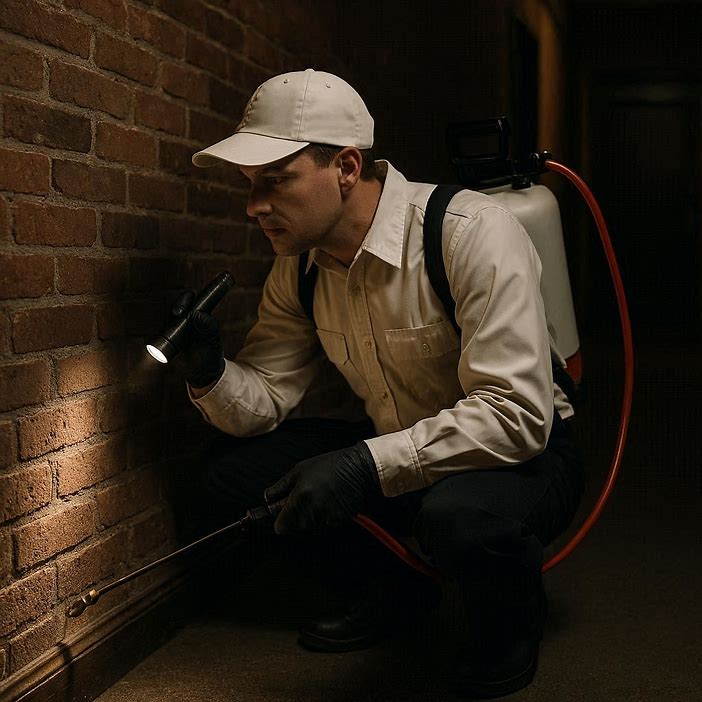
The most effective roach control services no longer just spray and leave. Modern protocols involve sealing cracks, installing monitoring traps, and educating residents on simple habits like not leaving pet food out overnight. The National Pest Management Association recommends quarterly inspections for buildings with 20 or more units, plus immediate treatment when a single sighting is reported. Some cities, including Chicago and Boston, now offer tax incentives to landlords who adopt certified integrated pest management (IPM) plans.
For residents, the advice is straightforward: report leaks promptly (roaches need water more than food), keep kitchen counters dry, and use lidded bins for all garbage. But experts emphasize that individual actions alone cannot solve a building-wide problem. That’s why professional intervention, whether from a general pest firm or a specialist in crawling insects, has become as routine as elevator maintenance in modern apartment towers.
What This Means for Urban Living’s Future
As climate change brings warmer winters, cockroach breeding seasons lengthen. Research from Rutgers University shows that German cockroach egg cases hatch 30% faster at 85°F compared to 75°F, meaning populations explode more quickly during summer heat waves. This biological reality, paired with aging urban infrastructure, suggests roach control will remain a front-page issue for years. In response, extermination professionals are retooling: gel baits, insect growth regulators, and heat treatments now dominate where foggers once failed. For renters and homeowners alike, the golden rule is simple: do not wait. A single roach seen in daylight often signals hundreds hiding behind walls. And as the Williamsville example demonstrates, the same careful approach used for bed bugs, thorough inspection, targeted chemistry, and follow-up visits, works just as well for cockroaches. The difference is that today, more city dwellers are demanding that standard before signing a lease.