
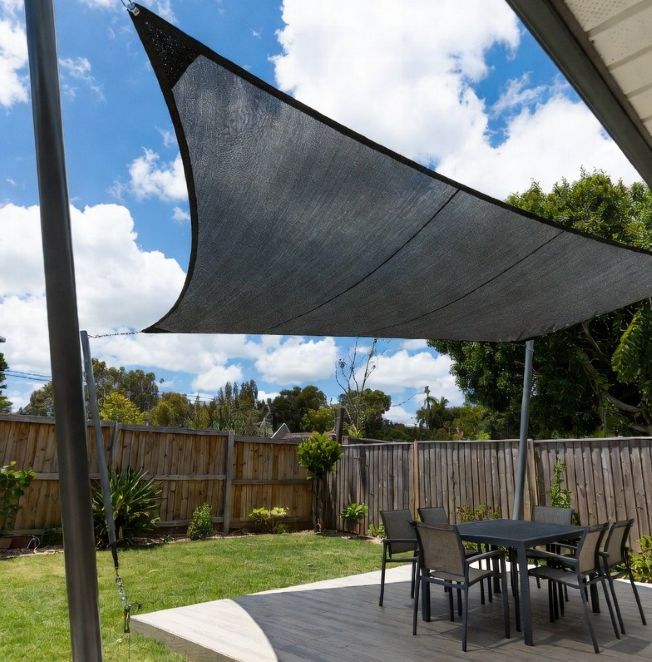
Homeowners across the globe are turning to screen fabric more than ever this year. Record heat waves and climbing energy bills have pushed many to seek simple, effective ways to keep their living spaces comfortable without cranking up the air conditioning.
Rising Demand for Practical Shade Solutions
As temperatures continue to rise due to climate change, people want affordable solutions that block harsh sun while letting fresh air flow. One popular option gaining traction is screen fabric, a versatile shade material that helps create cool outdoor and indoor zones. Experts note that these fabrics offer a practical response to warmer summers and higher utility costs (source: screendoek kopen).
Data from the window coverings market shows strong growth driven by energy efficiency demands. Research indicates the sector is expanding as consumers look for products that reduce solar heat gain and lower cooling expenses. The U.S. alone saw significant interest in high-performance shades last year, with projections pointing to continued rises through 2026 and beyond.
How Climate Change Is Driving the Trend
Climate change plays a central role in this shift. Global temperatures have climbed, bringing more frequent and intense heat events. The Intergovernmental Panel on Climate Change highlights how rising heat increases the need for cooling in buildings, which could drive up energy use and emissions if left unchecked. Homeowners feel this pressure directly when monthly bills spike during summer months.
Energy costs add another layer of urgency. Electricity prices for residential users have trended upward in many regions, partly because of greater demand for air conditioning. Studies show that climate-related warming can boost cooling expenses noticeably, making passive solutions like shade fabrics an attractive alternative. By reducing direct sunlight on windows, patios, and outdoor areas, these materials help maintain lower indoor temperatures naturally.
Benefits of Screen Fabric for Everyday Comfort
Many families now install screen fabric over patios, pergolas, or large windows. The breathable weave blocks up to 90 percent or more of UV rays in some cases while allowing breezes to pass through. This creates comfortable spaces for relaxing, dining, or playing outside even on the hottest days. Unlike solid covers that trap heat, screen options promote airflow and prevent that stuffy feeling.
Industry observers point to broader trends in home improvements. A growing number of people prioritize sustainability and long-term savings over quick fixes. Energy-efficient window treatments and outdoor shading rank high on renovation lists for 2026. For more ideas on current home improvement trends, check out this helpful overview on some home improvement trends for you. Experts from organizations focused on building performance explain that simple additions like shade sails or screen panels can cut solar heat gain significantly, sometimes by 50 percent or more when properly placed.
One building efficiency specialist put it well: “Homeowners today want solutions that work with nature rather than against it. Screen fabric delivers shade without blocking views or ventilation, which makes everyday life more enjoyable while trimming energy use.”
Long-Term Savings and Sustainability
Beyond immediate comfort, these choices support bigger goals. Lower reliance on air conditioning means reduced strain on power grids during peak heat. It also helps cut household carbon footprints at a time when many families aim to live more responsibly. Sustainable fabrics that resist fading and weathering last for years, adding value without frequent replacement.
Retailers and suppliers report steady increases in requests for custom shade materials. People search for durable, UV-resistant options suited to local climates, whether in sunny backyards or urban balconies. The variety available today, from neutral tones to modern designs, lets homeowners match their style while gaining practical benefits.
Challenges and Smart Installation Tips
Of course, challenges remain. Proper installation matters for maximum effect, and wind resistance requires attention in storm-prone areas. Yet many find the effort worthwhile once they experience cooler spaces and smaller bills. Local contractors often recommend combining screen fabric with other upgrades, such as better insulation or smart vents, for even greater efficiency.
What the Future Holds for Home Shading
Looking ahead, the trend shows no signs of slowing. Projections for 2027 and beyond suggest continued warming and pressure on energy systems. As a result, passive cooling methods like buying screen fabric or similar shade solutions could become standard features in new and renovated homes. Market analysts predict the window and outdoor shading sectors will keep growing, fueled by consumer awareness of climate impacts and cost savings.
In the end, this movement reflects a practical mindset. Homeowners want homes that stay comfortable through changing seasons without breaking the bank. Screen fabrics, shade sails, and related sun protection materials offer an accessible way to achieve that balance. They turn hot, glaring spaces into inviting retreats while supporting smarter energy habits.
As more people discover these benefits, expect to see creative applications pop up everywhere from suburban gardens to city rooftops. The simple act of adding the right fabric can make a real difference in daily comfort and monthly expenses. For families planning updates this year, exploring shade options early could prove one of the smartest steps toward a cooler, more efficient home.